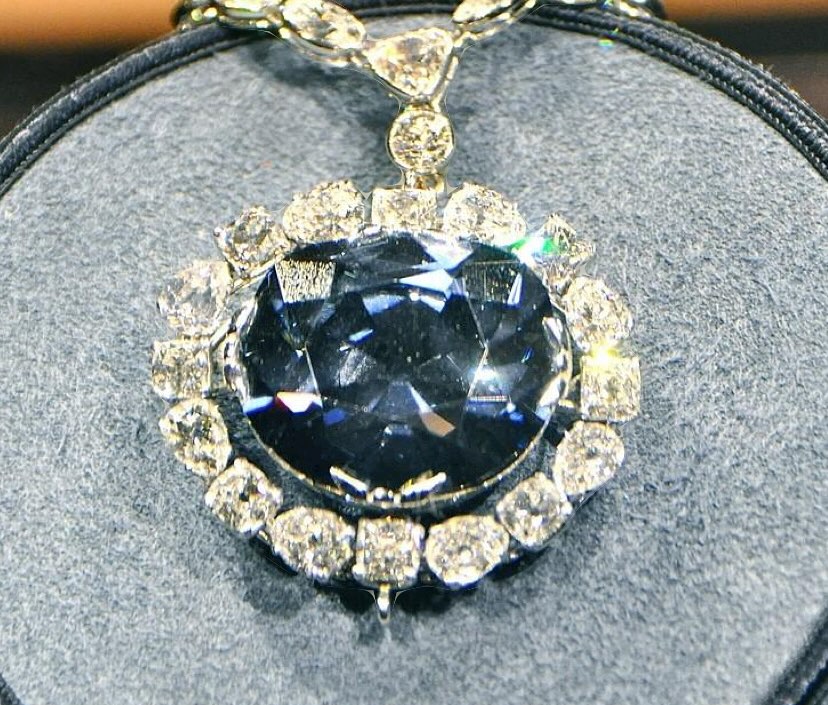
In 1530, Lutheran theologian Philipp Melanchthon wrote: “Our [Lutheran] churches teach that people cannot be justified before God by their own strength, merits, or works. People are freely justified for Christ’s sake, through faith, when they believe that they are received into favor and that their sins are forgiven for Christ’s sake. By his death, Christ made satisfaction for our sins. God counts this faith for righteousness in His sight” (Augsburg Confession, Article IV: Justification. CONCORDIA—The Lutheran Confessions, 2nd Ed. CPH, 2006). If physical conditions are just right, under extreme heat and pressure, billions of carbon atoms from carbonate materials sometimes undergo chemical reactions and crystalize…into diamonds. Yesterday our Augsburg Confession team met here in Hamburg. As I shared last month, one of our parishioners—a skilled Iranian linguist—is rendering this foundational document of Lutheran Christianity into her native tongue. In only four weeks she has translated the first twelve Articles of the “AC,” which we plan to make public on our new trilingual Persian ministry website (nurezendegi.org , which means “Light of Life”). Discussing the various theological terms, we kept coming back to the hub of the AC: Article IV— Justification. My Finnish missionary colleague and friend, Rev. Pasi Palmu, stated it perfectly: “Melanchthon managed to squeeze the key teaching of Christianity, justification—that Jesus Christ imputed His own righteousness to us sinners—into just three sentences.” The image of all those atoms being compressed into a single diamond popped into my head. Indeed, in our Baptism, Jesus Christ places His righteousness over us sinners. That doesn’t mean that our sins go away. But it does mean that God the Father chooses to no longer see them because He focuses instead on Christ’s righteousness, which covers our sinfulness. How wonderful that this diamond of Christianity, Article IV —along with the rest of the Augsburg Confession—will soon be available to millions of Persians around the world in their native language. For the first time ever.
 The Tiews in Germany